As the level of emissions from diesel engines in the UK’s cities and its impact on public health has become clear, the media have recently given serious and widespread coverage to the issue of air pollution. Every Breath We Take, the report published in February 2017 by the Royal College of Physicians and Paediatrics, detailed an alarming array of adverse health effects which lead to up to 40,000 shortened lives in the UK each year. Foetuses, babies and children are particularly vulnerable to diesel fumes and particulates, which can impair lung, heart and neurological development.
Outlining his clean air bill in the Guardian in April 2017 Swansea West MP Geraint Davies noted that children in areas where the air quality problem is most serious “have a 10% reduced lung capacity and have more respiratory problems, together with effects on their nervous, immune and cardiovascular systems”. The same month Keith Taylor, Green MEP for South-East England wrote in the Ecologist that he would be campaigning for PM Theresa May to enshrine in UK law a new Clean Air Act to ensure strong, effective protection of public health from air pollution.
A Guardian editorial underlined the reasons for political inaction on air pollution: “A problem that cannot be seen is one that politicians will generally choose to ignore. That natural human tendency is dangerously short-sighted. When it comes to air pollution it is literally lethal.”
True, invisible NOx and particulate pollution have been ignored for far too long. And now our shared biosphere is being increasingly polluted by another type of invisible emission, also a product of short-sighted policies that ignore long-term effects on health: emissions from wireless technologies, namely man-made radio-frequency (RF) electromagnetic fields (EMFs).
Anthropogenic RF radiation (RFR) is a form of energy pollution whose abundance grows as more and more wireless technology—smart meters, 5G, IoT, etc.—is deployed. RFR needs to be recognised as the pollution that it is, and all those who care about the environment and public health need to realise that the wireless revolution is causing massive biophysical changes to our planet, changes to which living beings are not biologically adapted.
Professor Olle Johansson of Sweden’s Karolinska Institute notes that man-made EM levels are currently permitted to exceed natural background levels by up to a quintillion (1018!) times. Typical levels to which we are exposed in our everyday lives are, at the very least, several thousand times greater than natural background levels (see powerwatch.org.uk). In contrast to natural EMFs, man-made EMFs are also polarized, a characteristic that seems to make them more biologically active.
Many of our metabolic processes depend on exquisitely small EMFs, so it should perhaps come as no surprise that man-made EMFs, even at very low, non-thermal levels of exposure, can interfere with these processes. There is now a substantial body of scientific evidence that anthropogenic EMFs at levels well below current exposure limits perturb our bodies’ homeostasis and can adversely impact health.
In 2011 a review of the scientific research published in this field led the International Agency for Research on Cancer (IARC) to classify RFR-EMFs as a 2B ‘possible’ human carcinogen. While RFR does not yet sit alongside diesel exhaust fumes, tobacco and asbestos as a class 1 ‘certain’ carcinogen, some scientists think that recent research means the IARC classification should be upgraded from class 2B: in March 2018 The US National Toxicology Program’s $25m study on the effects of mobile phone radiation was peer-reviewed. One of the review panel’s principal conclusions is that there is ‘clear evidence of carcinogenic activity’: rats exposed to RFR developed rare heart tumours (schwannomas). The panel also confirmed ‘some evidence’ of a link between RFR and brain cancer.
Yet cancer is just one possible outcome; many other health impacts have been described or are suspected. This prompted over 200 scientists from 41 nations, all specialists in the biological effects of EMFs, to sign the International EMF Scientist Appeal in 2015. Effects of low intensity EMF noted include cellular stress, free radical formation, increased permeability of the blood-brain barrier, and genetic damage. Other potential effects include learning and memory deficits, neurologic/neurotransmitter disorders, reproductive effects, and negative impacts on general well-being. Growing evidence of effects on plant and animal life was also noted.
As is the case with air pollution, foetuses, babies and children appear to be particularly vulnerable to man-made EMFs. IARC’s 2011 Monograph on RFR and health states: “In children using mobile phones, the average deposition of RF energy may be two times higher in the brain and up to ten times higher in the bone marrow of the skull than in adult users.” Children’s bodies absorb more radiation; as the cells of their developing immune and nervous systems are dividing more rapidly, damage is more quickly replicated. The American Academy of Pediatrics states: “Children are not little adults and are disproportionately impacted by all environmental exposures, including cell phone radiation.”
Even ICNIRP (International Commission on Non-Ionizing Radiation Protection), whose contested exposure guidelines the UK follows, recognises that some parts of the population such as children are potentially more vulnerable than others: “Different groups in a population may have differences in their ability to tolerate a particular NIR [Non-Ionizing Radiation] exposure. For example, children, the elderly, and some chronically ill people might have a lower tolerance for one or more forms of NIR exposure than the rest of the population”.
The greater vulnerability of children is implicitly recognised by the UK Department of Health, which recommends that children should only use mobile phones for essential purposes and that all calls should be kept short. The UK health authorities, however, have done little to promote this advice, and many parents are unaware that it even exists…..
Annelie Fitzgerald PhD is an academic by training and has spent almost a decade following the research on the health and environmental impacts of wireless radiation and is a campaigner raising awareness of the health and environmental impacts of RF pollution.
“Tiffany Frantz got her first cellphone when she was 16.
She loved that flip phone. Every morning, on her way out the door, she’d slip it into the left cup of her bra. When she was 21, while watching television one night with her parents in their Lancaster, Pennsylvania, living room, she felt a lump the size of a pea in her left breast, just beneath her phone. Tests later showed four cancerous tumors. “How in the world did this happen?” her mother asked.
Dr. John West believes he knows. In 2013, the Southern California breast cancer surgeon and five other doctors wrote in the journal Case Reports in Medicineabout Frantz’s tumors and those of three other young women. Each of them regularly carried a cellphone in her bra. “I am absolutely convinced,” West tellsNewsweek, “that there is a relationship between exposure to cellphones and breast cancer in young women who are frequent users.”
West has no proof, however. His evidence is anecdotal—and though anecdotes can spur a hypothesis, they can’t prove one. For years, scientists have looked for a link between cancer and cellphone use that holds up to scientific rigor, and they’ve come up short. That’s why when West told his theory to a gathering of about 60 breast cancer specialists, they dismissed the connection as mere coincidence. “I’m hoping that someday people will say, ‘Well, we laughed at him, and now he’s vindicated,’” he says.
Just because West can’t prove he’s right doesn’t mean he’s wrong. After some studies suggested an increased risk of one type of brain cancer, the World Health Organization (WHO) concluded in 2011 that cellphones are “possibly carcinogenic” and recommended keeping “a close watch for a link between cellphones and cancer risk.” But without conclusive evidence of harm, regulators have held back.
Meanwhile, cellphone use has exploded. In 1986, 681,000 Americans had a cellphone. In 2016, there were 396 million subscriptions to cellphones in the U.S.—more than one for every adult and child. Teenagers, whose developing bodies and brains put them at the most risk, are the most eager adopters. According to a Pew Research Center survey earlier this year, 95 percent of 13- to 17-year-olds said they had access to a smartphone, a 22 percent jump from 2012. A generation has grown up with cellphones—teething on them as toddlers, carrying them through middle school in their jean pockets and even sleeping with them under their pillows. All told, 5 billion people around the world now use a cellphone.
In a few decades, we might know for sure whether or not cellphones cause cancer. In the meantime, we are basically running a large, uncontrolled experiment on ourselves…
Open Submission (June 2018) to Government Departments and Agencies regarding Public Health and Wellbeing Protection in Ireland in respect of Electromagnetic Fields (EMF) including pulsed microwaves used for Wi-Fi, ‘smart’ metering, 4G LTE and small cell antenna systems (5G), culminating in a request for an inquiry on behalf of the public, especially children and vulnerable groups.
Excerpt: Exponential Expansion Of Electrical And Telecommunications Infrastructure
The exponential rise of electrical and telecommunications infrastructure in Ireland has seen numbers of broadband companies install infrastructure overhead and underground at a speed and magnitude that might be described as a military exercise. These are now being added to by the ubiquitous installation of ‘smart’ meters communicating through use of wireless technology, along with the, as yet untested, 4G LTE and 5G small cell antennas which are presently being installed on structures such as lamp-posts, bus stops etc. As a consequence our properties, airspace, bodies, and the wildlife we are custodians of are now unremittingly blanketed in Electromagnetic Fields (EMF) at unsustainable levels. In light of the Irish Governments limited provision of information or engagement with the issue of EMF and health, this submission introduces fundamental questions that need to be answered, culminating in a request for a public inquiry.
Posted inUncategorized|Comments Off on June 2018 – Open Submission to Government Departments and Agencies regarding Public Health and Wellbeing Protection in Ireland in respect of EMFs
Source Article by GEOFFREY LEAN for the Daily Mail UK 21 June 2018
Top cancer expert Prof Anthony Miller claims wifi beamed through classrooms could be as dangerous could be as dangerous as tobacco and asbestos
Prof Miller of Toronto University says Wifi should not be allowed in schools
Some nations have begun banning or restricting wifi, as well as mobile phones
Plenty of children these days are so obsessed with having internet access that they will virtually refuse to go on holiday unless the hotel or villa has wifi.
They’re certainly used to being fully ‘connected’ at school, where millions of youngsters who were once taught with chalk on a blackboard now sit in circles on the floor surfing the web on their tablets or phones.
The trouble is that though smartphones are used as educational tools in some lessons, they can also be a dangerous distraction during the day for pupils. In fact, youngsters taking phones into schools has become such a contentious issue that now a minister has called for them to be banned.
Yet there is another issue which is perhaps even more important: one of the world’s top cancer experts has said the wifi beamed through Britain’s classrooms — radio waves that send signals between base units and devices such as iPads and mobile phones — could be as dangerous as ‘tobacco and asbestos’.
Some concerned nations have already begun banning or restricting wifi, as well as mobile phones – another source of electrosmog – in schools.
But not Britain. Eighteen years after a landmark official inquiry, headed by a former Government Chief Scientist, recommended a raft of measures to reduce this kind of radiation, virtually nothing has been done.
In the meantime, we have effectively been conducting a massive medical experiment on ourselves, and our children – who some campaigners are now referring to as ‘Generation Zapped’. For the fact is that human beings have never been exposed to anything like this before.
The ubiquitous electrosmog from mobile phones, wifi, baby monitors, smart energy meters and a host of other internet-connected products is a billion times stronger than the natural electromagnetic fields in which living cells developed over the past 3,800 million years.
The worrying thing is that we don’t know how this experiment will end. That is partly because it will take years to play out: massive exposure only began recently and cancers, for example, can take decades to develop. But partly it is because scandalously little research has been done into the possible effects of electrosmog.
Most of the little we are learning comes from studies on mobile phones, which deliver relatively intense doses of the radiation to the head.
Some studies have given them the all-clear, but these have generally only looked at short-term exposures – people who had not used mobiles for long enough (generally less than a decade) to develop cancer.
By contrast, important Swedish research found that people exposed to them for ten years or more were twice as likely to develop a malignant brain tumour on the side of the head where they usually held their handsets.
This finding was broadly confirmed by a massive study, covering thousands of people in 13 countries, by the world’s top authority on cancer-causing substances – the World Health Organisation’s International Agency for Research on Cancer.
These studies caused the Agency to conclude in 2011 that ‘electrosmog’ is a possible cause of the disease in humans.
And Professor Anthony Miller believes that new research – including a French study that suggested a fivefold increase in brain cancer risk from mobile phones – should cause the Agency to upgrade its assessment, and condemn the radiation as a clear carcinogen.
Studies have also linked mobiles with cancer of the salivary gland and acoustic neuromas – benign tumours on the auditory nerve which usually cause deafness and problems with balance.
What worries Prof Miller, and other top scientists who share his fears, is that increasing evidence that mobile phones can cause cancer may be revealing just the tip of the iceberg of a far wider danger from electrosmog.
Of course, a room full of wifi radiation delivers a much smaller dose than a mobile phone held to the side of the head. But people are exposed to it for much longer either in offices, schools or at home, especially if they leave it on overnight in the house, which almost everyone does.
And it’s not only cancer that is causing concern. Campaigners, and some senior academics, point to evidence that the thickening electrosmog may be linked with heart failure, male infertility, autism, severe cognitive impairment, damage to chromosomes and DNA, and many other conditions.
It is also increasingly accepted that about three in every hundred people are especially sensitive to the radiation, suffering symptoms like headaches, ringing ears, chest pains and sleeplessness.
It should be stressed that nothing is proven, and it’s important not to be alarmist, but, whatever the true danger may be, it is children who are certainly most at risk both from mobile phones and from electrosmog in general.
Their nervous systems are still developing, making them more vulnerable. Their skulls are thinner, so their brains get bigger doses. And quite simply, with many decades ahead of them, they will be exposed to more of the radiation in their lifetimes than adults today.
So the proliferation of wifi into so many of our schools is worrying. While using wifi, tablets, laptops and other devices emit radiation as well as receiving it, which also increases children’s exposure. More than a million tablets are now in use in Britain’s classrooms.
Campaigners urge schools to avoid danger and still get the benefits of such technology by hardwiring devices, through, for example, direct connections to desks, or points on walls and floors, or hanging from the ceiling.
More and more countries and cities are indeed going back to the future in this way. France has banned wifi from nursery schools (the younger the child, the greater the danger), and restricted its use in teaching children up to the age of 11.
It has also banned mobile phones from all schools, partly because they are socially disruptive. But the country’s official Agency for Food, Environmental and Occupational Health and Safety has recommended that tablets and other wifi devices should be regulated as phones are.
Cyprus has also banned wifi from kindergartens, and only permits it in the staff offices of junior schools for administration purposes. Israel also prohibits it in pre-schools and kindergartens, and allows it only to be gradually introduced in class as children get older. The Israeli city of Haifa has hardwired its school system so children can used computers that don’t need wifi to connect to the internet.
Frankfurt, meanwhile, hardwired 80 per cent of all its schools more than a decade ago, while the school authorities in Salzburg, Austria, wrote to headteachers officially advising them not to use wifi as long ago as 2005.
Ghent in Belgium has banned wifi in pre-schools and daycare centres, while individual local authorities in Spain and Italy have removed it from all their schools. Even faraway French Polynesia has prohibited it in nursery schools and limits it in primary ones. And so the list goes on.
Here in Britain, by contrast, there is only complacency and inaction – despite authoritative early warnings of trouble ahead.
Way back in 2000, a official inquiry headed by Sir William Stewart, a former Government Chief Scientist, produced a landmark report recommending ways of reducing exposure to electrosmog, especially for children. Tony Blair’s government publicly accepted most of its recommendations – then failed to implement them.
Five years later, Sir William – as chairman of the official National Radiological Protection Board – issued another report urging similar action, with the same lack of results. Then, in 2007 – he was by then Chairman of the Health Protection Agency (HPA) – he voiced concern about wifi in schools. But its use has only spread rapidly since then.
Public Health England, which succeeded the HPA, now says it ‘sees no reason why wifi should not continue to be used in schools’.
Official action on electrosmog in Britain is limited to advising that ‘excessive use’ of mobiles by children should be ‘discouraged’. Even this has been watered down from a decade ago, when youngsters were urged to avoid the phones for ‘non-essential calls’.
As Professor Miller recently told a conference organised by the Environmental Health Trust, it is high time to start taking sensible precautionary measures to protect our children. The alternative is to do nothing and hope for the best. That’s what we did with tobacco and asbestos, and we know how that turned out. In the Professor’s words: ‘We ignore this at our future peril.’
Posted inUncategorized|Comments Off on 21 June 2018- As more countries ban iPads and mobile phones from the classroom, could wifi be giving our children cancer? – Daily Mail UK
Dr Martin Blank, PhD, who made many lasting contributions to the scientific community, has passed away of natural causes at the age of 85. As a leading expert on the health effects of electromagnetic radiation, Dr. Blank was a strong advocate for the use of science to create a better and healthier world.
Throughout his lengthy career, Dr. Blank published over 200 papers and reviews, authored numerous books, held appointments at 11 leading universities around the world and the US Office of Naval Research. He also organized and led many meetings, including two World Congresses on Electricity and Magnetism in Biology and Medicine, and he started the Gordon Research Conferences on Bioelectrochemistry. He has been Chairman of the Organic and Biological Division of the Electrochemical Society, President of the Bioelectrochemical Society, President of the Bioelectromagnetics Society, and has been on editorial boards of Journal of the Electrochemical Society, Bioelectrochemistry and Bioenergetics, Electromagnetic Medicine and Biology. In 2014 his book, “Overpowered” (7 Stories Press), which summarized his findings regarding the potential dangers of electromagnetic radiation, was published.
Through his work, Dr. Blank established himself as one of the strongest voices globally in the quest to better understand and regulate the health effects of electromagnetic fields.
Breaking new boundaries
Dr. Blank was born in New York in 1933 as the child of immigrants, Leon and Rebecca. English was the third of five languages in which he became fluent.
An early interest in science led him to be accepted to the Bronx High School of Science, after which he proceeded to complete two PhDs: one in physical chemistry from Columbia University, and a second in colloid science – an interdisciplinary field involving chemistry, physics, and nanoscience – from Cambridge University.
In his early career, he studied the biological membranes that encase living cells and the effects of electric fields on such membranes. In 1987 he read a paper by Dr. Reba Goodman, a colleague at Columbia University, that suggested everyday EMFs like power lines and electrical appliances had an effect on living cells. At that time, only ionizing forms of radiation like X-rays were acknowledged as harmful to humans.
Intrigued, Dr. Blank approached Dr. Goodman about her findings and initiated what was to become a long and fruitful scientific partnership. Though their research contradicted the accepted paradigm of the day, they continued to push boundaries, demonstrating observable, repeatable health effects of EMF on living cells.
Their results were published in numerous peer-reviewed journals and were subsequently confirmed by other independent scientists around the world.
Acting with conviction
Dr. Blank’s research into EMFs repeatedly showed that non-ionizing radiation does affect human cells. He believed that it would be in our best interest to take stronger precautions, as a way of securing a healthier future, and that there would be nothing to lose by taking such action.
“You take a certain amount of precaution as a result of a risk that has been identified,” Dr. Blank said at the 1st public forum in the U.S. on EMF effects on Children, Fetuses, and Fertility in 2013. “The risk can turn out to be a false alarm, in which case you haven’t lost anything really; what you’ve done is prevented damage that might have occurred might it have been so.”
He wrote letters to schools, companies, and government bodies – ardent letters laying out solid research-backed reasons why they should take precautions around EMFs; not chiding them for their practices but giving them helpful council on what they could be doing to better protect the community.
In 2015 he led a publicized appeal to the United Nations and World Health Organization, calling for greater attention to the health risks of EMFs. 190 scientists from around the world took part in the appeal, unified in their beliefs that the scientific research around electromagnetic radiation was not only compelling but urgent.
In conjunction with his conviction and willingness to act, Dr. Blank was also acutely and realistically aware of the world we’ve built for ourselves and of the advantages of technology. He didn’t seek to eradicate wireless devices or take steps backward, but rather to find a healthy balance between technological progress and human health.
“My message… is not to abandon gadgets—like most people I too love and utilize EMF- generating gadgets,” he wrote in his 2014 book, Overpowered. “Instead, I want you to realize that EMF poses a real risk to living creatures and that industrial and product safety standards must and can be reconsidered.”
Lasting impact
Throughout his career, Dr. Blank held many leadership roles — including terms as President of the Bioelectrochemical Society, and Chairman of the Organic and Biological Division of the Electrochemical Society — gave hundreds of speeches and lectures, edited various journals, and sat on the organizing committees of numerous conferences and world congresses.
Dr. Blank also had a knack for translating complex scientific concepts into a language anyone can understand. His rigorous research reports generally served the scientific community and his 2014 book Overpowered (7 Stories Press) offered all readers, inaccessible and captivating prose, the information they needed to better protect their health.
In this way, his work has had a broad impact, reaching the general public as well as his many pupils, colleagues, and the scientific community.
He will be remembered as someone who fought against the private, profit-driven efforts of industries to obscure information from the public; and as someone who welcomed genuine discussion and criticism as catalysts for true scientific progress.
The goal of Dr. Blank’s work was not to generate fear or cause alarm but to use rigorous and objective research to get closer to the truth. And, ultimately, to use this truth to secure ourselves, and future generations, a healthier future.
Dr. Blank is survived by his wife, Marion, sons, Jonathan and Ari, daughter, Donna, and his siblings Esther and Efrom.
The family requests that, in lieu of flowers, donations shall be made to the Electromagnetic Safety Alliance https://emsafetyalliance.org/, for which Dr. Blank was an advisor.
Electromagnetic radiation from power lines, wi-fi, phone masts and broadcast transmitters poses a ‘credible’ threat to wildlife, a new report suggests, as environmentalists warned the 5G roll out could cause greater harm.
An analysis of 97 studies by the EU-funded review body EKLIPSE concluded that radiation is a potential risk to insect and bird orientation and plant health.
However the charity Buglife warned that despite good evidence of the harms there was little research ongoing to assess the impact, or apply pollution limits.
The charity said ‘serious impacts on the environment could not be ruled out’ and called for 5G transmitters to be placed away from street lights, which attract insects, or areas where they could harm wildlife.
Matt Shardlow, CEO of Buglife said: “We apply limits to all types of pollution to protect the habitability of our environment, but as yet, even in Europe, the safe limits of electromagnetic radiation have not been determined, let alone applied.
“There is a credible risk that 5G could impact significantly on wildlife, and that placing transmitters on LED street lamps, which attract nocturnal insects such as moths increases exposure and thereby risk.
“Therefore we call for all 5G pilots to include detailed studies of their influence and impacts on wildlife, and for the results of those studies to be made public.”
Buglife called for 5G transmitters to be moved away from street lights where insects are drawn.
As of March, 237 scientists have signed an appeal to the United Nations asking them to take the risks posed by electromagnetic radiation more seriously.
The EKLIPSEreport found that the magnetic orientation of birds, mammals and invertebrates such as insects and spiders could be disrupted by electromagnetic radiation (EMR). It also found established that plant metabolism is also altered by EMR.
The authors of the review conclude that there is “an urgent need to strengthen the scientific basis of the knowledge on EMR and their potential impacts on wildlife.
“ In particular, there is a need to base future research on sound, high-quality, replicable experiments so that credible, transparent and easily accessible evidence can inform society and policy-makers to make decisions and frame their policies.”
Posted inUncategorized|Comments Off on May 2018 – Electromagnetic radiation from power lines and phone masts poses ‘credible’ threat to wildlife, report finds
Jenny Fry’s life became a misery due to her electro-hypersensitivity which was apparently caused by wifi (Image: SWNS)
A leading cancer expert has called for a ban on school wifi networks over fears they could put children’s health at risk.
Dr Anthony Miller, an advisor to the World Health Organisation, says pupils could suffer long-term effects from exposure to the radio waves.
He warned: “Radiation from mobile phones and other wireless devices can cause changes in DNA and induce cancer in experimental animals.
“Children’s skulls are thinner and absorb much more of this radiation. We ignore this at our future peril.”
Campaigners claim an increasing number of people suffer from “electromagnetic sensitivity” – leading to symptoms from a lack of concentration to headaches and nosebleeds.
In one disturbing case, a 15-year-old is said to have taken her own life after being overwhelmed by tiredness, dizzy spells and even itchy skin due to wifi networks at her school.
Eventually Jenny took her own life and her mum believes radio waves are responsible for her suffering(Image: Newsteam/SWNS)
We also found children removed from class by their parents after they began to suffer nausea and concentration issues – and even a teacher who claims he was affected himself. READ FULL ARTICLE HERE
7 effects have each been repeatedly reported following Wi-Fi & other EMF exposures
Established Wi-Fi effects, include apoptosis, oxidat. stress &:
testis/sperm dysfunct; Neuropsych; DNA impact; hormone change; Ca2+ rise.
Wi-Fi is thought to act via voltage-gated calcium channel activation.
One claim of no Wi-Fi effects was found to be deeply flawed.
Abstract:
Repeated Wi-Fi studies show that Wi-Fi causes oxidative stress, sperm/testicular damage, neuropsychiatric effects including EEG changes, apoptosis, cellular DNA damage, endocrine changes, and calcium overload. Each of these effects are also caused by exposures to other microwave frequencyEMFs, with each such effect being documented in from 10 to 16 reviews. Therefore, each of these seven EMF effects are established effects of Wi-Fi and of other microwave frequency EMFs. Each of these seven is also produced by downstream effects of the main action of such EMFs, voltage-gated calcium channel (VGCC) activation. While VGCC activation via EMF interaction with the VGCC voltage sensor seems to be the predominant mechanism of action of EMFs, other mechanisms appear to have minor roles. Minor roles include activation of other voltage-gated ion channels, calcium cyclotron resonance and the geomagnetic magnetoreception mechanism. Five properties of non-thermal EMF effects are discussed. These are that pulsed EMFs are, in most cases, more active than are non-pulsed EMFs; artificial EMFs are polarized and such polarized EMFs are much more active than non-polarized EMFs; dose-response curves are non-linear and non-monotone; EMF effects are often cumulative; and EMFs may impact young people more than adults. These general findings and data presented earlier on Wi-Fi effects were used to assess the Foster and Moulder (F&M) review of Wi-Fi. The F&M study claimed that there were seven important studies of Wi-Fi that each showed no effect. However, none of these were Wi-Fi studies, with each differing from genuine Wi-Fi in three distinct ways. F&M could, at most conclude that there was no statistically significant evidence of an effect. The tiny numbers studied in each of these seven F&M-linked studies show that each of them lack power to make any substantive conclusions. In conclusion, there are seven repeatedly found Wi-Fi effects which have also been shown to be caused by other similar EMF exposures. Each of the seven should be considered, therefore, as established effects of Wi-Fi.
Keywords: Electromagnetic field (EMF), Brain impact, Testis/sperm count and quality,Impact of pulsation and polarization, Activation of voltage-gated calcium channels,Wi-Fi or WiFi
A recent article describes increasing incidence of the most malignant type of brain tumor, glioblastoma multiforme (GBM) in England during 1995-2015. The number of patients increased from 2.4 to 5.0 per 100,000 during that time period. In total the yearly increase was from 983 to 2,531 patients, thus a substantial number. The incidence of low-grade glioma decreased but was stabilized from 2004, see figure 2. Thus the increasing incidence cannot be explained by low-grade glioma transforming to high-grade (GBM). The authors conclude that a general environmental factor must be the cause.
The increasing incidence is most pronounced for GBM in temporal or frontal parts of the brain, see figure 6. That is parts with highest exposure to radiofrequency radiation from the handheld wireless phone.
The increasing incidence of GBM was seen in all age groups but was most pronounced in those aged more than 55 years.
We published incidence data on brain tumours for the time period 1998-2015 based on the Swedish Cancer Register. In the age group 60-79 years the yearly incidence of high-grade glioma increased statistically significant in men with +1.68% (+0.39, +2.99 %) (n = 2,275) and in women with +1.38% (+0.32, +2.45%) (n = 1,585), see figures. Few patients were diagnosed in the age group 80+ yielding analysis less meaningful. High-grade glioma includes astrocytoma grades III and IV. Astrocytoma grade IV is the same as glioblastoma multiforme (GBM) with bad prognosis, survival about one year or less.
Posted inUncategorized|Comments Off on March 2018 – Increasing incidence of aggressive brain tumour (glioblastoma multiforme) in England during 1995-2015
The disinformation campaign—and massive radiation increase—behind the 5G rollout.
Remarkably, cell phones had been allowed onto the US consumer market a decade earlier without any government safety testing. Now, some customers and industry workers were being diagnosed with cancer. In January 1993, David Reynard sued the NEC America Company, claiming that his wife’s NEC phone caused her lethal brain tumor. After Reynard appeared on national TV, the story went viral. A congressional subcommittee announced an investigation; investors began dumping their cell-phone stocks; and Wheeler and the CTIA swung into action.
A week later, Wheeler announced that his industry would pay for a comprehensive research program. Cell phones were already safe, Wheeler told reporters; the new research would simply “re-validate the findings of the existing studies.”
George Carlo seemed like a good bet to fulfill Wheeler’s mission. He was an epidemiologist who also had a law degree, and he’d conducted studies for other controversial industries. After a study funded by Dow Corning, Carlo had declared that breast implants posed only minimal health risks. With chemical-industry funding, he had concluded that low levels of dioxin, the chemical behind the Agent Orange scandal, were not dangerous. In 1995, Carlo began directing the industry-financed Wireless Technology Research project (WTR), whose eventual budget of $28.5 million made it the best-funded investigation of cell-phone safety to date.
Outside critics soon came to suspect that Carlo would be the front man for an industry whitewash. They cited his dispute with Henry Lai, a professor of biochemistry at the University of Washington, over a study that Lai had conducted examining whether cell-phone radiation could damage DNA. In 1999, Carlo and the WTR’s general counsel sent a letter to the university’s president urging that Lai be fired for his alleged violation of research protocols. Lai accused the WTR of tampering with his experiment’s results. Both Carlo and Lai deny the other’s accusations.
Critics also attacked what they regarded as the slow pace of WTR research. The WTR was merely “a confidence game” designed to placate the public but stall real research,according to Louis Slesin, editor of the trade publication Microwave News. “By dangling a huge amount of money in front of the cash-starved [scientific] community,” Slesin argued, “Carlo guaranteed silent obedience. Anyone who dared complain risked being cut off from his millions.” Carlo denies the allegation.
Whatever Carlo’s motives might have been, the documented fact is that he and Wheeler would eventually clash bitterly over the WTR’s findings, which Carlo presented to wireless-industry leaders on February 9, 1999. By that date, the WTR had commissioned more than 50 original studies and reviewed many more. Those studies raised “serious questions” about cell-phone safety, Carlo told a closed-door meeting of the CTIA’s board of directors, whose members included the CEOs or top officials of the industry’s 32 leading companies, including Apple, AT&T, and Motorola.
Carlo sent letters to each of the industry’s chieftains on October 7, 1999, reiterating that the WTR’s research had found the following: “The risk of rare neuro-epithelial tumors on the outside of the brain was more than doubled…in cell phone users”; there was an apparent “correlation between brain tumors occurring on the right side of the head and the use of the phone on the right side of the head”; and “the ability of radiation from a phone’s antenna to cause functional genetic damage [was] definitely positive….”
Carlo urged the CEOs to do the right thing: give consumers “the information they need to make an informed judgment about how much of this unknown risk they wish to assume,” especially since some in the industry had “repeatedly and falsely claimed that wireless phones are safe for all consumers including children.”
Wheeler’s tactics succeeded in dousing the controversy. Although Carlo had in fact repeatedly briefed Wheeler and other senior industry officials on the studies, which had indeed undergone peer review and would soon be published, reporters on the technology beat accepted Wheeler’s discrediting of Carlo and the WTR’s findings. (Wheeler would go on to chair the Federal Communications Commission, which regulates the wireless industry. He agreed to an interview for this article but then put all of his remarks off the record, with one exception: his statement that he has always takenscientific guidance from the US Food and Drug Administration, which, he said, “has concluded, ‘the weight of scientific evidence had not linked cell phones with any health problems.’”)
Why, after such acrimony, Carlo was allowed to make one last appearance before the CTIA board is a mystery. Whatever the reason, Carlo flew to New Orleans in February 2000 for the wireless industry’s annual conference, where he submitted the WTR’s final report to the CTIA board. According to Carlo, Wheeler made sure that none of the hundreds of journalists covering the event could get anywhere near him.
When Carlo arrived, he was met by two seriously muscled men in plain clothes; the larger of the two let drop that he had recently left the Secret Service. The security men steered Carlo into a holding room, where they insisted he remain until his presentation. When summoned, Carlo found roughly 70 of the industry’s top executives waiting for him in silence. Carlo had spoken a mere 10 minutes when Wheeler abruptly stood, extended a hand, and said, “Thank you, George.” The two muscle men then ushered the scientist to a curbside taxi and waited until it pulled away.
In the years to come, the WTR’s cautionary findings would be replicated by numerous other scientists in the United States and around the world, leading the World Health Organization in 2011 to classify cell-phone radiation as a “possible” human carcinogen and the governments of Great Britain, France, and Israel to issue strong warnings on cell-phone use by children. But as the taxi carried Carlo to Louis Armstrong International Airport, the scientist wondered whether his relationship with the industry might have turned out differently if cell phones had been safety-tested before being allowed onto the consumer market, before profit took precedence over science. But it was too late: Wheeler and his fellow executives had made it clear, Carlo told The Nation, that “they would do what they had to do to protect their industry, but they were not of a mind to protect consumers or public health.”
This article does not argue that cell phones and other wireless technologies are necessarily dangerous; that is a matter for scientists to decide. Rather, the focus here is on the global industry behind cell phones—and the industry’s long campaign to make people believe that cell phones are safe.
Carlo’s story underscores the need for caution, however, particularly since it evokes eerie parallels with two of the most notorious cases of corporate deception on record: the campaigns by the tobacco and fossil-fuel industries to obscure the dangers of smoking and climate change, respectively. Just as tobacco executives were privately told by their own scientists (in the 1960s) that smoking was deadly, and fossil-fuel executives were privately told by their own scientists (in the 1980s) that burning oil, gas, and coal would cause a “catastrophic” temperature rise, so Carlo’s testimony reveals that wireless executives were privately told by their own scientists (in the 1990s) that cell phones could cause cancer and genetic damage.
Carlo’s October 7, 1999, letters to wireless-industry CEOs are the smoking-gun equivalent of the November 12, 1982, memo that M.B. Glaser, Exxon’s manager of environmental-affairs programs, sent to company executives explaining that burning oil, gas, and coal could raise global temperatures by a destabilizing 3 degrees Celsius by 2100. For the tobacco industry, Carlo’s letters are akin to the 1969 proposal that a Brown & Williamson executive wrote for countering anti-tobacco advocates. “Doubt is our product,” the memo declared. “It is also the means of establishing a controversy…at the public level.”
Like their tobacco and fossil-fuel brethren, wireless executives have chosen not to publicize what their own scientists have said about the risks of their products. On the contrary, the industry—in America, Europe, and Asia—has spent untold millions of dollars in the past 25 years proclaiming that science is on its side, that the critics are quacks, and that consumers have nothing to fear. This, even as the industry has worked behind the scenes—again like its Big Tobacco counterpart—to deliberately addict its customers. Just as cigarette companies added nicotine to hook smokers, so have wireless companies designed cell phones to deliver a jolt of dopamine with each swipe of the screen.
This Nation investigation reveals that the wireless industry not only made the same moral choices that the tobacco and fossil-fuel industries did; it also borrowed from the same public-relations playbook those industries pioneered. The playbook’s key insight is that an industry doesn’t have to win the scientific argument about safety; it only has to keep the argument going. That amounts to a win for the industry, because the apparent lack of certainty helps to reassure customers, even as it fends off government regulations and lawsuits that might pinch profits.
Central to keeping the scientific argument going is making it appear that not all scientists agree. Again like the tobacco and fossil-fuel industries, the wireless industry has “war gamed” science, as a Motorola internal memo in 1994 phrased it. War-gaming science involves playing offense as well as defense: funding studies friendly to the industry while attacking studies that raise questions; placing industry-friendly experts on advisory bodies like the World Health Organization; and seeking to discredit scientists whose views depart from the industry’s.
Funding friendly research has perhaps been the most important component of this strategy, because it conveys the impression that the scientific community truly is divided. Thus, when studies have linked wireless radiation to cancer or genetic damage—as Carlo’s WTR did in 1999; as the WHO’s Interphone study did in 2010; and as the US National Toxicology Program did in 2016—industry spokespeople can point out, accurately, that other studies disagree. “[T]he overall balance of the evidence” gives no cause for alarm, asserted Jack Rowley, research and sustainability director for the Groupe Special Mobile Association (GSMA), Europe’s wireless trade association,speaking to reporters about the WHO’s findings.
A closer look reveals the industry’s sleight of hand. When Henry Lai, the professor whom Carlo tried to get fired, analyzed 326 safety-related studies completed between 1990 and 2005, he learned that 56 percent found a biological effect from cell-phone radiation and 44 percent did not; the scientific community apparently was split. But when Lai recategorized the studies according to their funding sources, a different picture emerged: 67 percent of the independently funded studies found a biological effect, while a mere 28 percent of the industry-funded studies did. Lai’s findings were replicated by a 2007 analysis in Environmental Health Perspectives that concluded industry-funded studies were two and a half times less likely than independent studies to find a health effect.
One key player has not been swayed by all this wireless-friendly research: the insurance industry. The Nation has not been able to find a single insurance company willing to sell a product-liability policy that covered cell-phone radiation. “Why would we want to do that?” one executive chuckled before pointing to more than two dozen lawsuits outstanding against wireless companies, demanding a total of $1.9 billion in damages. Some judges have affirmed such lawsuits, including a judge in Italy who refused to allow industry-funded research as evidence.
Even so, the industry’s neutralizing of the safety issue has opened the door to the biggest, most hazardous prize of all: the proposed revolutionary transformation of society dubbed the “Internet of Things.” Lauded as a gigantic engine of economic growth, the Internet of Things will not only connect people through their smartphones and computers but will connect those devices to a customer’s vehicles and home appliances, even their baby’s diapers—all at speeds faster than can currently be achieved.
“The absence of absolute proof does not mean the absence of risk,” Annie Sasco, the former director of epidemiology for cancer prevention at France’s National Institute of Health and Medical Research, told the attendees of the 2012 Childhood Cancer conference. “The younger one starts using cell phones, the higher the risk,” Sasco continued, urging a public-education effort to inform parents, politicians, and the press about children’s exceptional susceptibility.
For adults and children alike, the process by which wireless radiation may cause cancer remains uncertain, but it is thought to be indirect. Wireless radiation has been shown to damage the blood-brain barrier, a vital defense mechanism that shields the brain from carcinogenic chemicals elsewhere in the body (resulting, for example, from secondhand cigarette smoke). Wireless radiation has also been shown to interfere with DNA replication, a proven progenitor of cancer. In each of these cases, the risks are higher for children: Their skulls, being smaller, absorb more radiation than adults’ skulls do, while children’s longer life span increases their cumulative exposure.
The wireless industry has sought to downplay concerns about cell phones’ safety, and the Federal Communications Commission has followed its example. In 1996, the FCC established cell-phone safety levels based on “specific absorption rate,” or SAR. Phones were required to have a SAR of 1.6 watts or less per kilogram of body weight. In 2013, the American Academy of Pediatrics advised the FCC that its guidelines “do not account for the unique vulnerability and use patterns specific to pregnant women and children.” Nevertheless, the FCC has declined to update its standards.
The FCC has granted the industry’s wishes so often that it qualifies as a “captured agency,” argued journalist Norm Alster in a report that Harvard University’s Edmond J. Safra Center for Ethics published in 2015. The FCC allows cell-phone manufacturers to self-report SAR levels, and does not independently test industry claims or require manufacturers to display the SAR level on a phone’s packaging. “Industry controls the FCC through a soup-to-nuts stranglehold that extends from its well-placed campaign spending in Congress through its control of the FCC’s congressional oversight committees to its persistent agency lobbying,” Alster wrote. He also quoted the CTIA website praising the FCC for “its light regulatory touch.”
The revolving-door syndrome that characterizes so many industries and federal agencies reinforces the close relationship between the wireless industry and the FCC. Just as Tom Wheeler went from running the CTIA (1992– 2004) to chairing the FCC (2013–2017), Meredith Atwell Baker went from FCC commissioner (2009–2011) to the presidency of the CTIA (2014 through today). To ensure its access on Capitol Hill, the wireless industry made $26 million in campaign contributions in 2016, according to the Center for Responsive Politics, and spent $87 million on lobbying in 2017.
Neutralizing the safety issue has been an ongoing imperative because the research keeps coming, much of it from outside the United States. But the industry’s European and Asian branches have, like their US counterpart, zealously war-gamed the science, spun the news coverage, and thereby warped the public perception of their products’ safety.
The WHO began to study the health effects of electric- and magnetic-field radiation (EMF) in 1996 under the direction of Michael Repacholi, an Australian biophysicist. Although Repacholi claimed on disclosure forms that he was “independent” of corporate influence, in fact Motorola had funded his research: While Repacholi was director of the WHO’s EMF program, Motorola paid $50,000 a year to his former employer, the Royal Adelaide Hospital, which then transferred the money to the WHO program. When journalists exposed the payments, Repacholi denied that there was anything untoward about them because Motorola had not paid him personally. Eventually, Motorola’s payments were bundled with other industry contributions and funneled through the Mobile and Wireless Forum, a trade association that gave the WHO’s program $150,000 annually. In 1999, Repacholi helped engineer a WHO statement that “EMF exposures below the limits recommended in international guidelines do not appear to have any known consequence on health.”
Two wireless trade associations contributed $4.7 million to the Interphone studylaunched by the WHO’s International Agency for Cancer Research in 2000. That $4.7 million represented 20 percent of the $24 million budget for the Interphone study, which convened 21 scientists from 13 countries to explore possible links between cell phones and two common types of brain tumor: glioma and meningioma. The money was channeled through a “firewall” mechanism intended to prevent corporate influence on the IACR’s findings, but whether such firewalls work is debatable. “Industry sponsors know [which scientists] receive funding; sponsored scientists know who provides funding,” Dariusz Leszczynski, an adjunct professor of biochemistry at the University of Helsinki, has explained.
When the Interphone conclusions were released in 2010, industry spokespeople blunted their impact by deploying what experts on lying call “creative truth-telling.” “Interphone’s conclusion of no overall increased risk of brain cancer is consistent with conclusions reached in an already large body of scientific research on this subject,” John Walls, the vice president for public affairs at the CTIA, told reporters. The wiggle word here is “overall”: Since some of the Interphone studies did not find increased brain-cancer rates, stipulating “overall” allowed Walls to ignore those that did. The misleading spin confused enough news organizations that their coverage of the Interphone study was essentially reassuring to the industry’s customers. The Wall Street Journal announced “Cell Phone Study Sends Fuzzy Signal on Cancer Risk,” while the BBC’s headline declared: “No Proof of Mobile Cancer Risk.”
The industry’s $4.7 million contribution to the WHO appears to have had its most telling effect in May 2011, when the WHO convened scientists in Lyon, France, to discuss how to classify the cancer risk posed by cell phones. The industry not only secured “observer” status at Lyon for three of its trade associations; it placed two industry-funded experts on the working group that would debate the classification, as well as additional experts among the “invited specialists” who advised the group.
Niels Kuster, a Swiss engineer, initially filed a conflict-of-interest statement affirming only that his research group had taken money from “various governments, scientific institutions and corporations.” But after Kuster co-authored a summary of the WHO’s findings in The Lancet Oncology, the medical journal issued a correction expanding on Kuster’s conflict-of-interest statement, noting payments from the Mobile Manufacturers Forum, Motorola, Ericsson, Nokia, Samsung, Sony, GSMA, and Deutsche Telekom. Nevertheless, Kuster participated in the entire 10 days of deliberations.
The industry also mounted a campaign to discredit Lennart Hardell, a Swedish professor of oncology serving on the working group. Hardell’s studies, which found an increase in gliomas and acoustic neuromas in long-term cell-phone users, were some of the strongest evidence that the group was considering.
Hardell had already attracted the industry’s displeasure back in 2002, when he began arguing that children shouldn’t use cell phones. Two scientists with industry ties quicklypublished a report with the Swedish Radiation Authority dismissing Hardell’s research. His detractors were John D. Boice and Joseph K. McLaughlin of the International Epidemiology Institute, a company that provided “Litigation Support” and “Corporate Counseling” to various industries, according to its website. Indeed, at the very time Boice and McLaughlin were denigrating Hardell’s work, the institute was providing expert-witness services to Motorola in a brain-tumor lawsuit against the company.
The wireless industry didn’t get the outcome that it wanted at Lyon, but it did limit the damage. A number of the working group’s scientists had favored increasing the classification of cell phones to Category 2A, a “probable” carcinogen; but in the end, the group could only agree on an increase to 2B, a “possible” carcinogen.
That result enabled the industry to continue proclaiming that there was no scientifically established proof that cell phones are dangerous. Jack Rowley of the GSMA trade association said that “interpretation should be based on the overall balance of the evidence.” Once again, the slippery word “overall” downplayed the significance of scientific research that the industry didn’t like.
Industry-funded scientists had been pressuring their colleagues for a decade by then, according to Leszczynski, another member of the Lyon working group. Leszczynski was an assistant professor at Harvard Medical School when he first experienced such pressure, in 1999. He had wanted to investigate the effects of radiation levels higher than the SAR levels permitted by government, hypothesizing that this might better conform to real-world practices. But when he proposed the idea at scientific meetings,Leszczynski said, it was shouted down by Mays Swicord, Joe Elder, and C.K. Chou—scientists who worked for Motorola. As Leszczynski recalled, “It was a normal occurrence at scientific meetings—and I attended really a lot of them—that whenever [a] scientist reported biological effects at SAR over [government-approved levels], the above-mentioned industry scientists, singularly or as a group, jumped up to the microphone to condemn and to discredit the results.”
Years later, a study that Leszczynski described as a “game changer” discovered that even phones meeting government standards, which in Europe were a SAR of 2.0 watts per kilogram, could deliver exponentially higher peak radiation levels to certain skin and blood cells. (SAR levels reached a staggering 40 watts per kilogram—20 times higher than officially permitted.) In other words, the official safety levels masked dramatically higher exposures in hot spots, but industry-funded scientists obstructed research on the health impacts.
According to scientists involved in the process, the WHO may decide later this year to reconsider its categorization of the cancer risk posed by cell phones; the WHO itself toldThe Nation that before making any such decision, it will review the final report of the National Toxicology Program, a US government initiative. The results reported by the NTP in 2016 seem to strengthen the case for increasing the assessment of cell-phone radiation to a “probable” or even a “known” carcinogen. Whereas the WHO’s Interphone study compared the cell-phone usage of people who had contracted cancer with that of people who hadn’t, the NTP study exposed rats and mice to cell-phone radiation and observed whether the animals got sick.
“There is a carcinogenic effect,” announced Ron Melnick, the designer of the study. Male rats exposed to cell-phone radiation developed cancer at a substantially higher rate, though the same effect was not seen in female rats. Rats exposed to radiation also had lower birth rates, higher infant mortality, and more heart problems than those in the control group. The cancer effect occurred in only a small percentage of the rats, but that small percentage could translate into a massive amount of human cancers. “Given the extremely large number of people who use wireless communications devices, even a very small increase in the incidence of disease…could have broad implications for public health,” the NTP’s draft report explained.
The NTP study was to be peer-reviewed at a meeting on March 26–28, amid signs that the program’s leadership is pivoting to downplay its findings. The NTP had issued a public-health warning when the study’s early results were released in 2016. But when the NTP released essentially the same data in February 2018, John Bucher, the senior scientist who directed the study, announced in a telephone press conference that “I don’t think this is a high-risk situation at all,” partly because the study had exposed the rats and mice to higher levels of radiation than a typical cell-phone user experienced.
Microwave News’s Slesin speculated on potential explanations for the NTP’s apparent backtracking: new leadership within the program, where a former drug-company executive, Brian Berridge, now runs the day-to-day operations; pressure from business-friendly Republicans on Capitol Hill and from the US military, whose weapons systems rely on wireless radiation; and the anti-science ideology of the Trump White House. The question now: Will the scientists doing the peer review endorse the NTP’s newly ambivalent perspective, or challenge it?
The scientific evidence that cell phones and wireless technologies in general can cause cancer and genetic damage is not definitive, but it is abundant and has been increasing over time. Contrary to the impression that most news coverage has given the public, 90 percent of the 200 existing studies included in the National Institutes of Health’s PubMed database on the oxidative effects of wireless radiation—its tendency to cause cells to shed electrons, which can lead to cancer and other diseases—have found a significant impact, according to a survey of the scientific literature conducted by Henry Lai. Seventy-two percent of neurological studies and 64 percent of DNA studies have also found effects.
The wireless industry’s determination to bring about the Internet of Things, despite the massive increase in radiation exposure this would unleash, raises the stakes exponentially. Because 5G radiation can only travel short distances, antennas roughly the size of a pizza box will have to be installed approximately every 250 feet to ensure connectivity. “Industry is going to need hundreds of thousands, maybe millions, of new antenna sites in the United States alone,” said Moskowitz, the UC Berkeley researcher. “So people will be bathed in a smog of radiation 24/7.”
There is an alternative approach, rooted in what some scientists and ethicists call the “precautionary principle,” which holds that society doesn’t need absolute proof of hazard to place limits on a given technology. If the evidence is sufficiently solid and the risks sufficiently great, the precautionary principle calls for delaying the deployment of that technology until further research clarifies its impacts. The scientists’ petition discussed earlier urges government regulators to apply the precautionary principle to 5G technology. Current safety guidelines “protect industry—not health,” contends the petition, which “recommend[s] a moratorium on the roll-out of [5G]…until potential hazards for human health and the environment have been fully investigated by scientists independent from industry.”
No scientist can say with certainty how many wireless-technology users are likely to contract cancer, but that is precisely the point: We simply don’t know. Nevertheless, we are proceeding as if we do know the risk, and that the risk is vanishingly small. Meanwhile, more and more people around the world, including countless children and adolescents, are getting addicted to cell phones every day, and the shift to radiation-heavy 5G technology is regarded as a fait accompli. Which is just how Big Wireless likes it.
Mark Hertsgaard Mark Hertsgaard, The Nation’s environment correspondent and investigative editor, is the author of seven books, including HOT: Living Through the Next Fifty Years on Earth .

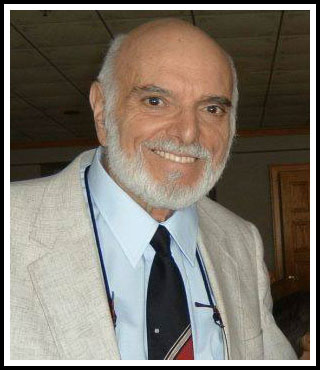 Obituary: Leading EMF expert Dr. Martin Blank, Ph.D



 Electromagnetic Sense Ireland